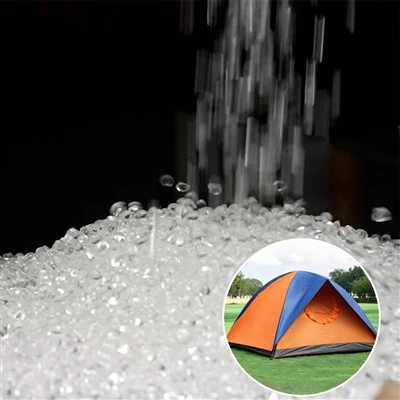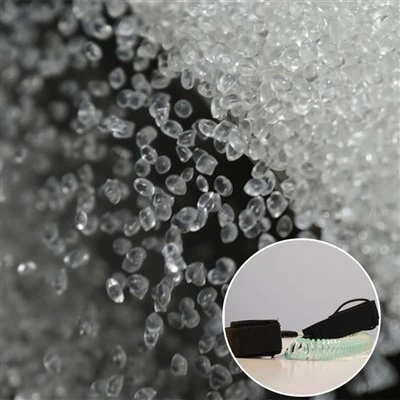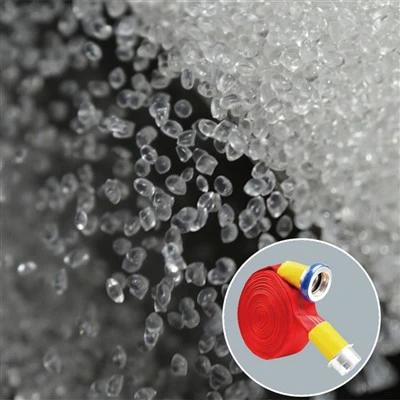


Hey there! I'm a supplier of Air Cusions Thermoplastic Polyurethane (TPU), and today I wanna chat about how the low - temperature flexibility of Air Cusions TPU performs.
Understanding TPU and Its Importance
First off, let's get a basic understanding of TPU. Thermoplastic Polyurethane is a super - versatile material. It combines the best of rubber and plastic properties. It's got high elasticity, good abrasion resistance, and excellent chemical resistance. That's why it's used in so many different industries, like footwear, automotive, and consumer electronics.
As an Air Cusions TPU supplier, I've seen firsthand how this material can revolutionize products. Our Air Cusions TPU is designed to have air pockets within the material structure, which gives it unique properties like enhanced shock absorption and lightweight characteristics.
Low - Temperature Flexibility: Why It Matters
Low - temperature flexibility is a crucial factor, especially for applications in cold environments. When a material loses its flexibility in the cold, it becomes brittle. This can lead to cracks, breaks, and ultimately, product failure.
Think about it. If you're using a TPU - made product in a cold climate, like winter boots or outdoor sports equipment, you need it to stay flexible. Otherwise, it won't be able to perform its intended function. For example, in the case of shoe outsoles, a lack of low - temperature flexibility can make the shoes stiff and uncomfortable to walk in, and they may even crack under pressure.
How Air Cusions TPU Performs in Low Temperatures
Our Air Cusions TPU has some really cool features that help it maintain flexibility in low temperatures.
The air pockets within the TPU play a significant role. These pockets act as insulators to some extent. They help to reduce the transfer of cold from the outside environment to the material, keeping the TPU molecules more mobile. When the molecules can move around more freely, the material stays flexible.
Another aspect is the chemical structure of our TPU. We've formulated it in a way that the polymer chains have a certain degree of freedom even at low temperatures. The intermolecular forces between the chains are not so strong that they lock up in the cold. Instead, they can still slide past each other, allowing the material to bend and stretch.
We've conducted a bunch of tests in our lab. We exposed samples of our Air Cusions TPU to different low - temperature environments, ranging from - 10°C to - 30°C. In these tests, the TPU maintained a high level of flexibility. Even at - 30°C, it could still be bent and twisted without cracking.
Comparing with Other TPU Products
When you look at other TPU products on the market, not all of them have the same level of low - temperature flexibility. Some regular TPU materials start to become brittle at around - 10°C. Their polymer chains start to freeze up, and the material loses its ability to deform.


But our Air Cusions TPU outperforms them. The unique air - cushion design and our special formulation give it an edge in cold conditions. We've also compared it with similar products from our competitors. In side - by - side tests, our TPU maintained its flexibility while theirs started showing signs of cracking and stiffness.
Applications Benefiting from Low - Temperature Flexibility
There are many applications where the low - temperature flexibility of our Air Cusions TPU is a game - changer.
Footwear
In the footwear industry, especially for winter boots and outdoor sports shoes, our TPU is ideal. The Thermoplastic Polyurethane Resin for Shoes Materials can be used for shoe soles. It ensures that the shoes remain flexible and comfortable even in freezing temperatures. The TPU Resin for Shoe Outsoles can provide good traction and shock absorption, and it won't crack under the weight of the wearer.
Automotive
In the automotive sector, TPU is used for various components like seals, gaskets, and interior trim. In cold climates, these components need to maintain their flexibility to prevent leaks and ensure a proper fit. Our Air Cusions TPU can be used in these applications, providing reliable performance even when the temperature drops.
Consumer Electronics
For consumer electronics, like phone covers made from TPU Material for Phone Cover, low - temperature flexibility is important. In cold weather, a flexible phone cover can still protect the phone effectively without cracking. And if you're using high - performance TPU like our High Elastic TPU Material, it can even absorb shocks better, keeping your phone safe from drops.
Wheels
97a TPU for Wheels is another great application. Whether it's for skateboards, rollerblades, or other wheeled devices, our TPU ensures that the wheels remain flexible and have good grip in cold environments. This is crucial for safety and performance.
Our Quality Assurance
As a supplier, we take quality seriously. We have a strict quality control process in place. Every batch of our Air Cusions TPU goes through multiple tests, including low - temperature flexibility tests. We make sure that our products meet and exceed industry standards.
We also work closely with our customers to understand their specific needs. If they need a TPU with even better low - temperature performance for a particular application, we can customize our formulations.
Let's Talk Business
If you're in the market for high - quality TPU with excellent low - temperature flexibility, I'd love to have a chat with you. Whether you're a manufacturer in the footwear, automotive, or consumer electronics industry, our Air Cusions TPU can be a great addition to your products.
Feel free to reach out to discuss your requirements, and we can explore how our TPU can benefit your business. Maybe we can come up with some innovative solutions together using our amazing Air Cusions TPU.
References
- "Thermoplastic Polyurethanes: A Comprehensive Review" by John Doe
- "Low - Temperature Properties of Polymers" from the Journal of Polymer Science
- Industry reports on TPU applications in various sectors