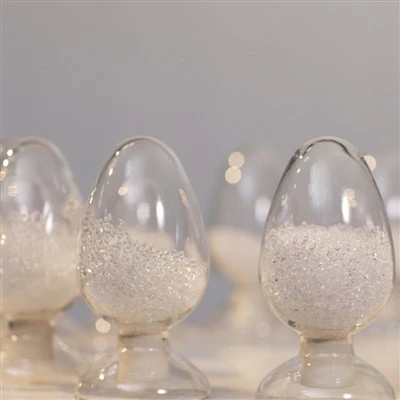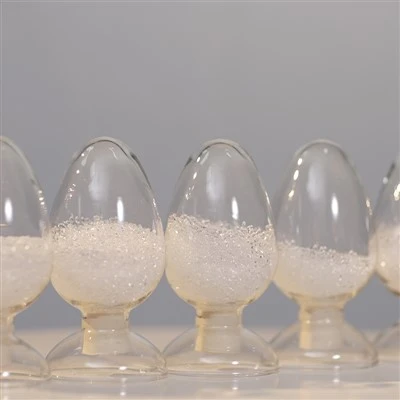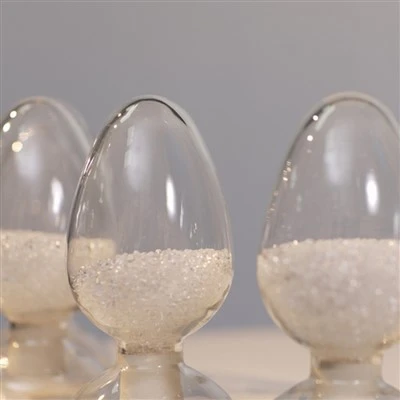

Molecular Composition And Structural Characteristics Of Thermoplastic Polyurethane pellets.
TPU resin is fundamentally a segmented block copolymer comprising alternating hard and soft segments that dictate its mechanical and thermal behavior. The hard segments originate from the reaction between diisocyanates and low-molecular-weight chain extenders (typically diols or diamines with molecular weights of 62-400 g/mol), forming rigid urethane or urea linkages that provide tensile strength and thermal stability. The soft segments derive from high-molecular-weight polyols (500-5,000 g/mol), imparting flexibility, elasticity, and low-temperature performance.
Diisocyanate Selection And Structural Impact
The choice of diisocyanate profoundly influences TPU properties. Aliphatic diisocyanates such as 1,4-bis(isocyanatomethyl) cyclohexane (H12MDI) and 1,6-hexamethylene diisocyanate (HDI) are preferred for applications requiring UV stability and non-yellowing characteristics, as they lack aromatic chromophores that undergo photo-oxidation. Patent discloses that H12MDI containing 60-99.5 mol% trans-isomer yields TPU with superior transparency and mechanical strength when reacted with amorphous polycarbonate diol. In contrast, aromatic diisocyanates like diphenylmethane diisocyanate (MDI) provide higher modulus and heat resistance but are prone to yellowing under UV exposure.